
Online casino with 100% bonus in 2026: what the doubling actually costs a player
A 100% casino bonus promises to double a first deposit, pound for pound, up to a published ceiling. The figure on the landing page is the easy half. The harder half is everything that happens between claiming it and walking away with anything you can actually withdraw, and that harder half is what this page exists to put on the table. Every offer below sits at a casino licensed by the Gambling Commission for remote play in Great Britain, which matters because it changes the rules the bonus has to obey. Data is current as of 23 November 2026 and was checked against the Gambling Commission’s public register of gambling businesses.

Table of Contents
- The doubling in plain terms
- What the Commission register shows in 2026
- The shelf at a glance
- Sky Vegas — the longest-established betting brand’s casino arm
- Midnite — a smaller skin, same rulebook
- PokerStars — the poker-first brand, with a casino behind it
- Unibet — the multi-vertical incumbent
- Ladbrokes — the high-street name with a casino attached
- BetVictor — the family-run incumbent
- Jackpotjoy — the bingo-first brand with casino behind
- 888casino — the casino-only incumbent
- Gala Bingo — the same licence as Ladbrokes
- Casumo — the casino-first challenger
- What the wagering ceiling actually means in time
- What the bonus actually costs in pounds
- The restrictions that bite
- The payments shelf for a UK-licensed casino
- Setting the limit before the doubling
- What an offshore brand changes
- The arithmetic on a worked example
- The honest reading
- Frequently asked questions
The doubling in plain terms
A 100% match bonus credits an account with a sum equal to the first deposit, up to a stated cap. A £50 deposit at a casino offering “100% up to £100” lands £50 of bonus money alongside the £50 of real money; a £200 deposit at the same offer lands £100 of bonus money, because the cap kicks in and the doubling stops there. The bonus is not a gift, even when the marketing copy writes “free” across it: it is a stake the operator will let the player run through their games, under conditions the operator sets.
Those conditions do three things at once. They decide which games the bonus money can be spent on. They decide how many times the bonus must be wagered before any of it converts to withdrawable cash. And they decide how long the player has to do all that before the bonus and any winnings tied to it lapse. The shape of those three constraints is the whole shape of what a 100% bonus actually is, and that shape has tightened sharply for British players.
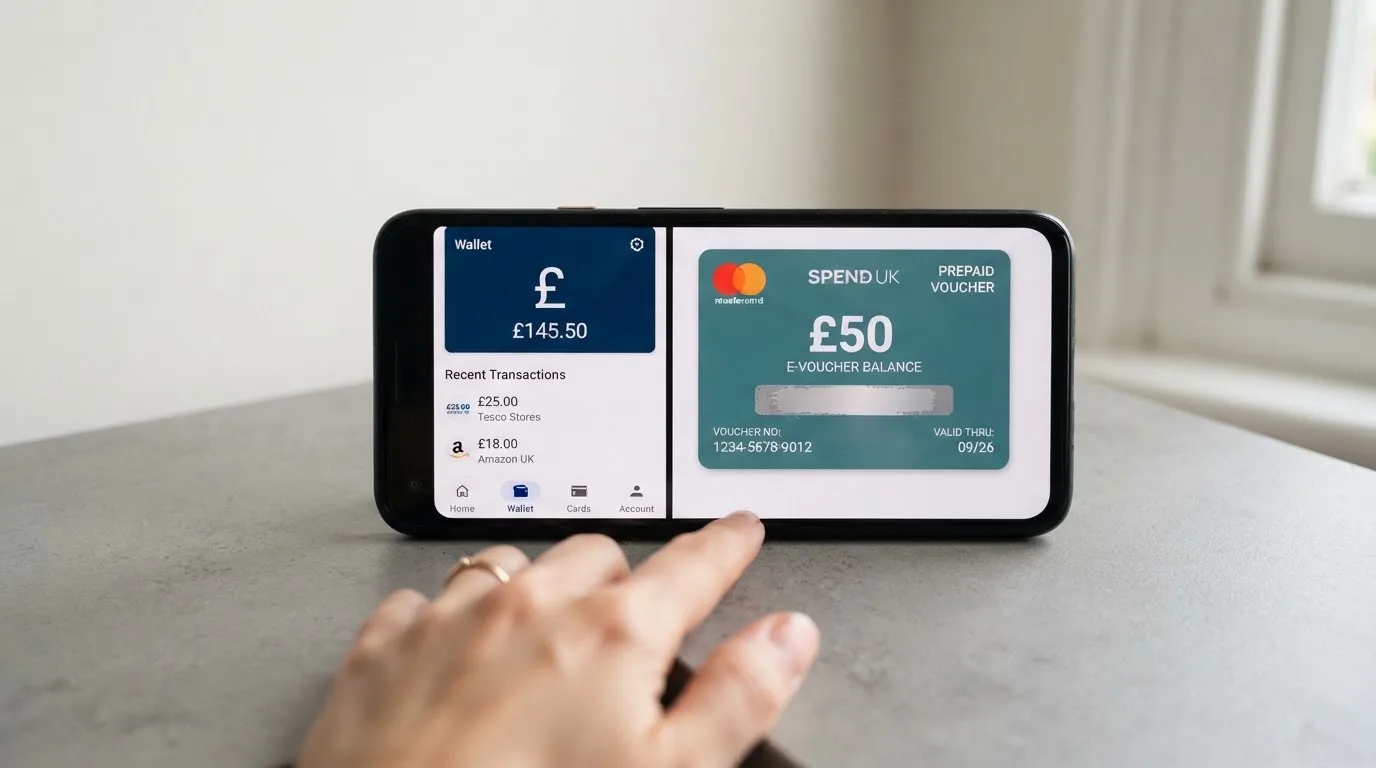
The cap that mattered most landed on 19 December 2025. From that date, no online casino licensed by the Gambling Commission can attach a wagering requirement higher than 10 times the bonus amount to a casino welcome offer. Mixed-product bonuses — the kind that give casino spins as a sweetener for a sports bet, or vice versa — are also banned. The effect on the shelf of offers a UK player can actually claim is to push the multiplier down sharply; the old 30x and 40x wagering tags that once dominated the market are no longer the norm on a regulated welcome package.
What the Commission register shows in 2026
The Commission’s public register is the test of whether a brand holds a UK remote licence. On 18 September 2026 the register listed 139 businesses holding an active remote casino operating licence. The domain register held 1065 active and 361 white-label entries on the same date — a white-label site trades under another company’s licence, which is why two visibly different brands can route to one licence number.

Midnite is listed on the Gambling Commission register under operating licence 042647-R-321653-022.
A remote casino licence number on the register has the shape account-R-number-suffix. The leading six digits repeat the licence holder’s account number and the R marks a remote (online) licence. The reference is the whole test of legitimacy for any brand that claims to be Commission-licensed; nothing else — a footer logo, a “regulated” strapline, an offshore seal — replaces it.
The shelf at a glance
Ten brands sit on the comparison below. Each is a Commission-licensed operator whose domain appears on the public register. Several of them share a single licensee — Ladbrokes and Gala Bingo, for instance, both run under LC International Limited — so the comparison is between consumer-facing brands, not between operating companies. Subject support is how each operator’s published terms and bonus pages handle the offer.
| Brand | Licence holder and remote casino licence | Domain status on the register | Subject support |
|---|---|---|---|
| Sky Vegas | Bonne Terre Gaming Limited · 065519-R-339675-002 | Active domain | Confirmed GB-licensed welcome offer |
| Midnite | Dribble Media Limited · 042647-R-321653-022 | Active domain | Confirmed GB-licensed welcome offer |
| PokerStars | Stars Interactive Limited · 039108-R-319334-026 | Active domain | Confirmed GB-licensed welcome offer |
| Unibet | Platinum Gaming Limited · 045322-R-324275-019 | Active domain | Confirmed GB-licensed welcome offer |
| Ladbrokes | LC International Limited · 054743-R-330863-014 | Active domain | Confirmed GB-licensed welcome offer |
| BetVictor | BV Gaming Limited · 039576-R-319370-028 | Active domain | Confirmed GB-licensed welcome offer |
| Jackpotjoy | Gamesys Operations Limited · 038905-R-319430-022 | Active domain | Confirmed GB-licensed welcome offer |
| 888casino | 888 UK Limited · 039028-R-319297-014 | Active domain | Confirmed GB-licensed welcome offer |
| Gala Bingo | LC International Limited · 054743-R-330863-014 | Active domain | Confirmed GB-licensed welcome offer |
| Casumo | Recro Limited · 061549-R-336718-002 | Active domain | Confirmed GB-licensed welcome offer |
The list above is a list of what is licensed and active, not a list of which bonus is the best value. None of the licence numbers or account IDs on this page can be used to recommend a place to play; they exist so a reader can check any brand’s status against the register directly.
Sky Vegas — the longest-established betting brand’s casino arm
Sky Vegas runs under Bonne Terre Gaming Limited, account 65519, with active remote casino licence 065519-R-339675-002. The domain, Sky Vegas, is listed on the Commission’s register as active. The welcome structure is a 100% match on a first deposit, with the size of the match and the wagering multiple set by Sky’s own published terms.
For a player who already banks with Sky — the betting side runs on a shared wallet — the convenience case is straightforward. One account covers sports, casino and games. The deposit channels include debit card, Apple Pay and bank transfer; withdrawals route back through the same channel as the deposit where possible. Credit cards cannot be used to fund a UK gambling account at all, including via e-wallet, so the wallet is closed to that route by regulation.
The bonus itself sits inside the wider Sky product. Players who already use Sky’s responsible-gaming tooling — deposit limits, reality checks, time-outs — will find them linked to the casino wallet, not separated from it. The same GAMSTOP registration that blocks Sky’s sportsbook also blocks the casino. For someone whose deposit limits are set in pounds rather than set to “off”, the doubling of a first deposit by a bonus can look more attractive than it actually is, because the bonus effectively doubles the spend that the limit then measures.
The 100% welcome here is generous by headline, and the post-19 December 2025 wagering cap applies to it. Verdict: well suited to a player already inside the Sky wallet who wants one set of tooling across products, and less suited to a player whose responsible-gaming plan is to keep casino spend outside a betting wallet.
Midnite — a smaller skin, same rulebook
Midnite runs under Dribble Media Limited, account 42647, with active remote casino licence 042647-R-321653-022. The domain is on the Commission’s register as active. Midnite is a newer consumer-facing brand than the established names further down this list, and the licence number sits higher up the Commission’s account sequence than the older incumbents’.
The brand carries a 100% deposit match on first deposit, sized and capped by Midnite’s own terms. Because Midnite’s licence is GB and the welcome is structured inside that licence, the post-December 2025 wagering cap of 10x applies in full. The same GAMSTOP screening that the rest of the licensed shelf runs through applies here.
Midnite’s product range is narrower than the longer-established brands. Where Sky Vegas and Ladbrokes carry bingo, scratch cards and live casino rooms alongside slots, Midnite’s vertical is leaner. For a player who already has a favourite slot title or provider, that narrowing can read as focus rather than as a deficit; for a player who treats a casino as a place to browse, the catalogue shows its edges faster.
Verdict: a Commission-licensed newcomer with a tight product range and the same regulatory ceiling on its welcome terms as every other brand on this page. Worth a look for a player who likes the brand, less compelling for a player who wants the breadth of the older shelves.
PokerStars — the poker-first brand, with a casino behind it
PokerStars runs under Stars Interactive Limited, account 39108, with active remote casino operating licence 039108-R-319334-026. The domain is on the register as active. The brand is best known for poker, and the casino arm sits beside that core product rather than in front of it.
The welcome offer at the casino side is a 100% deposit match on a first deposit, the cap and the wagering terms published on the casino side rather than borrowed from the poker lobby. The regulatory ceiling on wagering applies to it like every other Commission-licensed welcome. The Stars wallet holds poker, casino and sportsbook funds in separate balances inside one account, which matters for bonus accounting: a 100% casino bonus is locked to casino games, not to poker tournament buy-ins, and any attempt to mix the two voids the bonus.
For a poker player who dabbles in slots, the convenience is in the shared identity. For a casino-only player, the casino arm is narrower than the slots-first brands and the cross-product wallet is more clutter than feature.
Verdict: a sensible second product for someone whose first is poker, and a casino shelf that does not compete on breadth with the slots-first operators.
Unibet — the multi-vertical incumbent
Unibet runs under Platinum Gaming Limited, account 45322, with active remote casino licence 045322-R-324275-019. The domain, unibet.co.uk, is on the register as active. Unibet is a multi-vertical brand covering sports, casino and bingo under one licence and one wallet.
The casino welcome offer is a 100% deposit match, capped and structured per Unibet’s published terms, with the 10x wagering ceiling applied to it. The same responsible-gaming tooling — deposit limits, reality checks, time-outs, GAMSTOP — is wired into the casino vertical as it is for the rest of the brand. The deposit channels include debit card and bank transfer; credit cards are not a route because of the UK-wide ban.
A player who wants one licence and one wallet covering several products has the structural case for Unibet. A player who wants a casino-only product will see the cross-vertical framing as overhead rather than as benefit.
Verdict: a Commission-licensed multi-vertical brand whose casino welcome matches the regulatory ceiling. The doubling is meaningful only inside the wider Unibet product, and is less compelling if the rest of the product is never going to be used.
Ladbrokes — the high-street name with a casino attached
Ladbrokes runs under LC International Limited, account 54743, with active remote casino licence 054743-R-330863-014. The domain is on the register as active. LC International also runs Gala Bingo under the same licence, which is why two visibly different brands can sit on one licence number.
The casino welcome is a 100% match on first deposit. The post-December 2025 wagering ceiling applies to it; the licence-holder structure of LC International does not move the regulatory floor. GAMSTOP and the wider responsible-gaming tooling are shared across the LC International brands.
Ladbrokes’s casino shelf carries the same betting-shop DNA as the rest of the brand — high-street familiarity, retail-flavoured product names, a customer base that skews towards the sports side. For a player who knows the brand from the betting shop and wants the same wallet online, the structural case is straightforward. For a casino-only player, the product carries the imprint of its retail origin in ways that may or may not suit.
Verdict: a Commission-licensed incumbent with the regulatory ceiling on its welcome. Strong for a player already inside the LC International wallet, less compelling for someone whose only use of the licence would be the casino.
BetVictor — the family-run incumbent
BetVictor runs under BV Gaming Limited, account 39576, with active remote casino licence 039576-R-319370-028. The domain is on the register as active. BetVictor is one of the longer-established names on the list, with a family-owned operating history that has run through the same Commission licence structure for years.
The casino welcome runs as a 100% match on first deposit, capped and structured per BetVictor’s terms, with the 10x wagering cap applied. The product mix leans towards sports and casino together; the casino arm is a substantive vertical rather than a thin add-on. Deposit channels include debit card and bank transfer, with Apple Pay available on the mobile app where the supported card comes from a participating issuer.
A player who already uses BetVictor for sports has the structural case for using the casino arm in the same wallet. A casino-only player sees a brand whose casino vertical is real, but whose wider product is also real, and may not be of interest.
Verdict: a Commission-licensed family-run incumbent with a full casino vertical and the regulatory ceiling on its welcome. The doubling has weight; the surrounding product is sport-heavy.
Jackpotjoy — the bingo-first brand with casino behind
Jackpotjoy runs under Gamesys Operations Limited, account 38905, with active remote casino licence 038905-R-319430-022. The domain is on the register as active. The brand carries a bingo-first identity, with the casino arm sitting behind the bingo rooms rather than in front of them.
The welcome offer at the casino side is a 100% deposit match, with the standard 10x wagering ceiling applied. The licence-holder Gamesys runs several bingo and casino brands under the same Commission umbrella; Jackpotjoy’s casino vertical sits in that context.
A bingo player who moves between Jackpotjoy’s rooms and the casino slot library has the structural case for staying inside the same licence. A slots-first player sees the bingo framing as overhead, and the casino arm as narrower than the slots-first incumbents.
Verdict: a Commission-licensed brand whose casino welcome doubles a first deposit under the regulatory ceiling, with a product identity that is genuinely bingo-first. The doubling matters more inside that identity than outside it.
888casino — the casino-only incumbent
888casino runs under 888 UK Limited, account 39028, with active remote casino licence 039028-R-319297-014. The domain, 888casino, is on the register as active. 888casino is one of the few brands on this list that is casino-only at the consumer-facing level: there is no sportsbook or poker-first framing competing for the wallet.
The welcome offer is a 100% match on first deposit, with the post-December 2025 10x wagering ceiling applied. Because the brand is casino-only, the welcome lives inside one product rather than being one of several verticals on a shared licence. The product range is wider than the bingo-first or poker-first brands, with the casino library the centre of gravity rather than a side arm.
For a casino-only player, the lack of cross-vertical overhead is the structural case. For a player who wants sports or bingo in the same wallet, 888casino is the wrong shape.
Verdict: the strongest fit on this list for a player who wants a casino-only brand with a real library and the regulatory ceiling on its welcome. The doubling is meaningful inside a casino-only product.
Gala Bingo — the same licence as Ladbrokes
Gala Bingo runs under LC International Limited, account 54743, the same licence as Ladbrokes. The active remote casino licence number is 054743-R-330863-014. The domain, Gala Bingo, is on the register as active. The licence being shared with Ladbrokes is the structural fact about the brand, not an accident: LC International operates both as consumer-facing brands on one Commission licence.
The casino welcome is a 100% bonus on the first deposit, with the 10x wagering ceiling applied. The bingo-first identity of Gala sits in front of the casino arm, which is structurally narrower than a casino-first brand. The same responsible-gaming tooling and GAMSTOP registration apply.
A player whose product identity is bingo will see the doubling inside that frame as useful. A casino-only player will see the bingo framing as overhead.
Verdict: a Commission-licensed bingo-first brand whose welcome doubles a deposit under the regulatory ceiling. The structural fit is strongest for a bingo player, weakest for a casino-only reader.
Casumo — the casino-first challenger
Casumo runs under Recro Limited, account 61549, with active remote casino licence 061549-R-336718-002. The domain is on the register as active. Casumo’s product identity is casino-first: the brand’s visual identity and product framing lead with the casino, not with sports or bingo.
The welcome offer is a 100% match on the initial deposit, with the post-December 2025 10x wagering ceiling applied. The product range is wider than the bingo-first or poker-first brands and narrower than the multi-vertical incumbents. The same responsible-gaming tooling and GAMSTOP registration apply.
A casino-first player has the structural case here. A multi-vertical player will see the narrower product as a constraint.
Verdict: a Commission-licensed casino-first brand with a real library and the regulatory ceiling on its welcome. The doubling has weight inside a casino-first product; the wider product range is leaner than the incumbents.
What the wagering ceiling actually means in time
The 10x cap that has been in force since 19 December 2025 is the headline figure, but the time the player spends clearing the bonus is what the cap actually costs. A £100 bonus with a 10x requirement asks the player to wager £1000 through eligible games. At a £1 stake per spin on a slot, that is 1000 spins. At a 2.5-second minimum spin interval (the Commission’s anti-auto-play rule), 1000 spins is 2500 seconds of play — roughly 42 minutes. At a £0.10 stake per spin on the same offer, the same £1000 turnover takes 10000 spins and roughly 7 hours of play. The same offer can therefore be cleared in well under an hour or in a working day, depending only on stake size.
The two ends of that band tell different stories. The high-stake end concentrates the wagering into a short window and exposes the player to a small number of high-variance outcomes. The low-stake end spreads the wagering across thousands of spins and exposes the player to the long-run statistical position of the games. Both clear the bonus; one concentrates variance, the other concentrates time. The ceiling itself does not choose between them; the player’s stake does.
Players who want to know the actual cost of the bonus rather than the time it takes should hold two figures side by side: the required turnover and the game’s return-to-player percentage. The arithmetic is the formula’s job: expected loss over the clearing window is required turnover multiplied by one minus the RTP. A £1000 turnover at a 96% RTP gives an expected loss of £40 over the clearing window; a £1000 turnover at a 92% RTP gives an expected loss of £80. The bonus has not changed — the player’s expected position has, and that position is what the bonus costs.
What the bonus actually costs in pounds
The honest reading of a 100% bonus is that the player is buying turnover, not free money. The deposit funds that turnover; the bonus funds the rest. Every spin the player makes against the bonus money has an expected loss built into it by the game’s house edge, and the sum of those expected losses is what the bonus costs in expectation.
For a £100 deposit, doubled to £200 in playable balance by a 100% match, the cost is in two parts. The first part is the expected loss on the £100 of real money the player would have wagered anyway. The second part is the expected loss on the £100 of bonus money the player would not have wagered without the offer. The bonus, in this reading, is the cost of the second part — and the cost is whatever the games cost over the clearing window.
The 10x cap narrows the clearing window without narrowing the cost. A 30x cap used to mean £3000 of turnover to clear a £100 bonus; at a 96% RTP that is an expected loss of £120. The new 10x cap means £1000 of turnover to clear the same bonus; at a 96% RTP that is an expected loss of £40. The cap is a real reduction in expected cost, and it is the most concrete change a UK player will feel from the post-December 2025 rules.
The same offer on a 92% RTP game looks different. At a 30x cap, expected loss is £240. At a 10x cap, expected loss is £80. The cap reduces expected loss by the same factor of three in both cases; the absolute number moves with the game’s RTP. Game choice inside the clearing window is therefore not a small variable — it is the second-largest figure in the bonus’s cost after the cap itself.
The restrictions that bite
Three rules from the Commission’s framework bear directly on what a 100% bonus can do at a UK-licensed casino. The first is the credit-card ban, in force since 14 April 2020: no credit card can fund a gambling account at a Commission-licensed operator, including when the credit card is routed through an e-wallet. The second is the maximum-stake rule on online slots, in force since April and May 2025: £5 per game cycle for players aged 25 and over, £2 for players aged 18-24. The third is the auto-play ban, in force since 31 October 2021: a slot spin cannot be faster than 2.5 seconds, and losses disguised as wins are banned.
The credit-card ban closes a funding route that would otherwise have changed who could afford the doubling. The maximum-stake rule concentrates the variance of the clearing window for younger players and limits how quickly the bonus can be cleared. The auto-play ban lengthens the time it takes to clear the bonus without changing the wagering requirement, which is its own kind of cost.
Two further rules affect the bonus directly. From 31 October 2025 operators must prompt a customer to set a financial limit before the first deposit — not a state-set ceiling, but a customer-set one that the operator is obliged to surface. And from 19 December 2025, mixed-product bonuses are banned: a 100% casino offer cannot be paired with sportsbook credit, and a sportsbook offer cannot be sweetened with casino spins. The welcome package at a Commission-licensed casino is now one product, not a bundle.
The payments shelf for a UK-licensed casino
The deposit and withdrawal channels at a Commission-licensed casino are narrower than at an offshore brand. Credit cards are closed. The remaining routes are debit cards, bank transfers through the Faster Payments Service, e-wallets (where the e-wallet itself does not run on credit), and prepaid vouchers such as paysafecard. Apple Pay is supported where the card behind it is a debit card from a participating issuer; Apple Pay protects the underlying card number through tokenisation, replacing it with a device-specific tokenised Device Primary Account Number and generating a dynamic security code for each transaction. Bank transfers within the UK typically route through the Faster Payments Service, which operates 24 hours a day, seven days a week, and arrives instantly or within a couple of minutes in most cases, with a per-transaction scheme limit of £1,000,000 — though individual banks impose lower customer-level limits. AstroPay, an electronic money institution, runs a UK entity (Larstal Limited) authorised by the Financial Conduct Authority, and accepts deposits at Commission-licensed operators where the operator’s terms permit it.
Crypto deposits sit outside this operator comparison by design. The Commission’s framework does not accommodate anonymous crypto funding of a regulated account; a player who wants to use crypto is looking at a different shelf of operators. The trail for crypto-funded welcome bonuses runs to brands licensed in Curaçao, Malta or similar jurisdictions, and those brands do not carry a Commission remote casino licence. A UK player who wants the Commission’s protection is on the debit-card and bank-transfer shelf, not the crypto shelf.
Setting the limit before the doubling
A 100% bonus doubles a first deposit, and a first deposit is the moment at which the operator must, by Commission rule, prompt the customer to set a financial limit. The two facts together mean that the doubling arrives at exactly the point at which the player is being asked how much they want to spend. A player who sets a £50 limit, deposits £50, takes the £50 bonus, and tries to play through £200 of bonus-included balance is reading the offer as bigger than it is. The limit is on real-money deposits, not on playable balance — but the offer feels bigger than the limit, and that is the cognitive gap the rule is designed to surface.
GAMSTOP, the national online self-exclusion scheme, is a mandatory condition of every Commission licence since 31 March 2020. The exclusion periods are six months, one year or five years and cannot be cancelled early. A player who has self-excluded through GAMSTOP cannot claim a 100% bonus at any Commission-licensed operator for the duration of the exclusion. This is not a marketing constraint; it is a legal one. The offers that surface paysafecard-funded 100% bonuses have a particular edge here: a paysafecard-funded deposit is still a deposit, and a paysafecard-funded bonus is still subject to GAMSTOP screening, deposit limits and the rest of the responsible-gaming framework. A paysafecard does not bypass the rules; it routes through them.
The National Gambling Helpline (GamCare) and GambleAware are the routes for a player who wants help outside the operator’s own tooling. The Commission’s financial vulnerability checks run at £150 of net deposits in a rolling 30-day window, using public data only — a light-touch screening at the lower deposit band, with the wider financial risk assessments announced but not yet in force. The arithmetic of the bonus is one thing; the question of whether the player should be taking the offer at all is a different one, and the responsible-gaming shelf is where that question lives.
What an offshore brand changes
A 100% bonus at an offshore brand — Curaçao, Malta, Gibraltar — sits outside the Commission’s rulebook. The credit-card ban does not apply, the 10x wagering cap does not apply, the GAMSTOP screening does not apply, the maximum-stake rule does not apply. The bonus can be larger, the wagering multiple can be larger, the funding routes can include crypto, and the absence of those rules is the offer’s selling point.
The cost is that the player on an offshore site has no Commission complaints route, no GAMSTOP exclusion, no approved ADR, and no recourse to the Commission’s enforcement powers. The Commission’s disruption work targets illegal sites directly — cease-and-desist notices, search-engine delisting, payment and hosting referrals — but the Commission has no ISP-blocking power and no power to compensate a player who has lost money on an unlicensed site. The penalty is not on the player; the loss is on the player.
A UK player who wants the Commission’s protection is on this page’s list of ten brands. A player who wants the offshore shelf is on a different shelf, with different offers and a different risk profile. The offer for a crypto-funded 100% bonus runs to that offshore shelf, not to this one, and the difference is not a marketing detail — it is the whole regulatory frame.
The arithmetic on a worked example
Take a £50 first deposit at a Commission-licensed casino offering 100% up to £100, with the post-December 2025 10x wagering cap applied. The bonus credits £50. The required turnover is £500. At a £1 stake per spin on a 96% RTP slot, that is 500 spins. At a 2.5-second minimum spin interval, that is 1250 seconds of play — roughly 21 minutes. The expected loss over the clearing window is £500 multiplied by (1 − 0.96), which is £20.
The same £50 deposit with a £0.10 stake on the same game takes 5000 spins and roughly 3.5 hours of play. The expected loss is still £20; the time is what changes. The same offer on a 92% RTP game takes the same spins and the same time, but the expected loss over the clearing window is £500 multiplied by (1 − 0.92), which is £40.
Two things change with stake size — the time the bonus takes to clear and the concentration of variance. Two things change with game choice — the expected loss and, depending on volatility, the distribution of outcomes. The cap itself changes the bonus’s cost when compared to the pre-December 2025 market; within the current cap, the player still chooses the game’s RTP and the stake, and those two choices are the rest of the bonus’s cost.
The honest reading
A 100% bonus at a UK-licensed casino is a regulated product. The headline figure is real; the cap is real; the GAMSTOP screening is real. The cost in expected loss is a function of the wagering requirement, the stake, the game, and the time the player spends at the machine. None of those four variables is hidden, and none of them is set by the offer alone. The offer sets the multiplier; the player sets the rest.
The brands on this page’s shelf sit on that frame. They are not interchangeable — they differ in product identity, in licence-holder, in casino-first versus bingo-first versus multi-vertical framing — but they are all on the same rulebook, and the rulebook is what the doubling actually costs.
Frequently asked questions
How does a 100% casino bonus work?
A 100% match bonus credits a sum equal to the first deposit, up to a published cap. The bonus carries a wagering requirement that the player must clear before any winnings tied to it convert to withdrawable cash, and a time limit inside which to clear it. At a UK-licensed casino the wagering requirement is capped at 10x the bonus amount under rules in force since 19 December 2025.
Is there a maximum amount a 100% match bonus will cover?
Yes. Every 100% match offer carries a published cap, written into the bonus terms. A £50 deposit at an offer of “100% up to £100” credits £50 of bonus; a £200 deposit at the same offer credits £100 of bonus because the cap kicks in. The cap is per-deposit, per-player, per offer, and varies by operator.
Can I claim a 100% bonus using paysafecard?
Paysafecard is accepted as a deposit method at many UK-licensed casinos where the operator’s payment page lists it. The deposit counts as a real-money deposit for the purposes of the 100% match and the operator’s deposit limit, and the bonus is subject to the same wagering and responsible-gaming rules as any other funding route. GAMSTOP screening applies regardless of the funding method.
What wagering requirement applies to a 100% deposit match under current UK rules?
Since 19 December 2025 the maximum wagering requirement on a casino welcome offer at a Gambling Commission-licensed operator is 10x the bonus amount. The 30x and 40x multiples that were once standard on the UK market are no longer permitted on regulated welcome packages. The 10x cap is the ceiling, not a floor; some offers sit lower.
Do crypto deposits qualify for the same 100% welcome offer?
Crypto deposits do not qualify at a UK-licensed casino, because the Commission’s framework does not accommodate anonymous crypto funding of a regulated account. A player who wants a crypto-funded 100% bonus is on the shelf of offshore-licensed brands, not on the shelf of Commission-licensed operators, and the two shelves carry different protections, different wagering rules and different responsible-gaming tooling.
How long do I have to use a 100% bonus before it expires?
Expiry windows vary by operator and are written into each offer’s terms. They are commonly in the range of seven to thirty days from the date the bonus is credited. The Commission’s anti-auto-play rule, which sets a 2.5-second minimum spin interval, affects the time it takes to clear a bonus regardless of the expiry window. A player who wants to clear a 10x offer within its expiry needs to plan stake size and game choice around both figures.